

Letters Reveal Kelowna Has More Power Over TOA Development Than Residents Were Told.
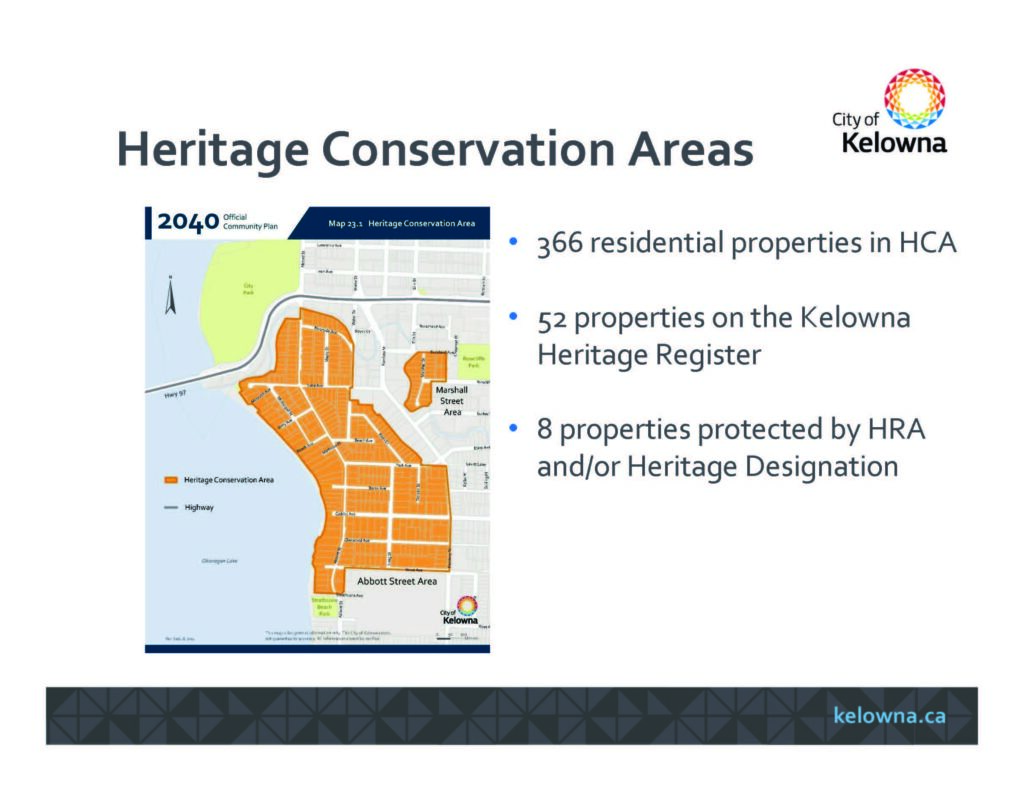
As Kelowna continues to grow, the balance between development and heritage preservation becomes crucial. Residents are increasingly vocal about the importance of maintaining the character of their neighborhoods. The Abbott Street Heritage Conservation Area is a prime example where local voices can influence future decisions regarding development.
Many residents cherish the area for its historical significance, unique architecture, and the sense of community it fosters. Efforts to document the area’s history through local heritage groups have highlighted the stories and events that have shaped Kelowna over the years.
Understanding the nuances of TOA legislation in relation to heritage is essential. It provides a framework that, if interpreted correctly, allows municipalities to prioritize heritage conservation in their development plans. Advocacy for this interpretation has been at the forefront of resident discussions.
This development impacts not just the physical landscape but also the community’s identity. Each heritage building lost is a piece of the city’s history. Residents are encouraged to engage with municipal planners to express their views on potential developments that could affect the heritage character of the area.
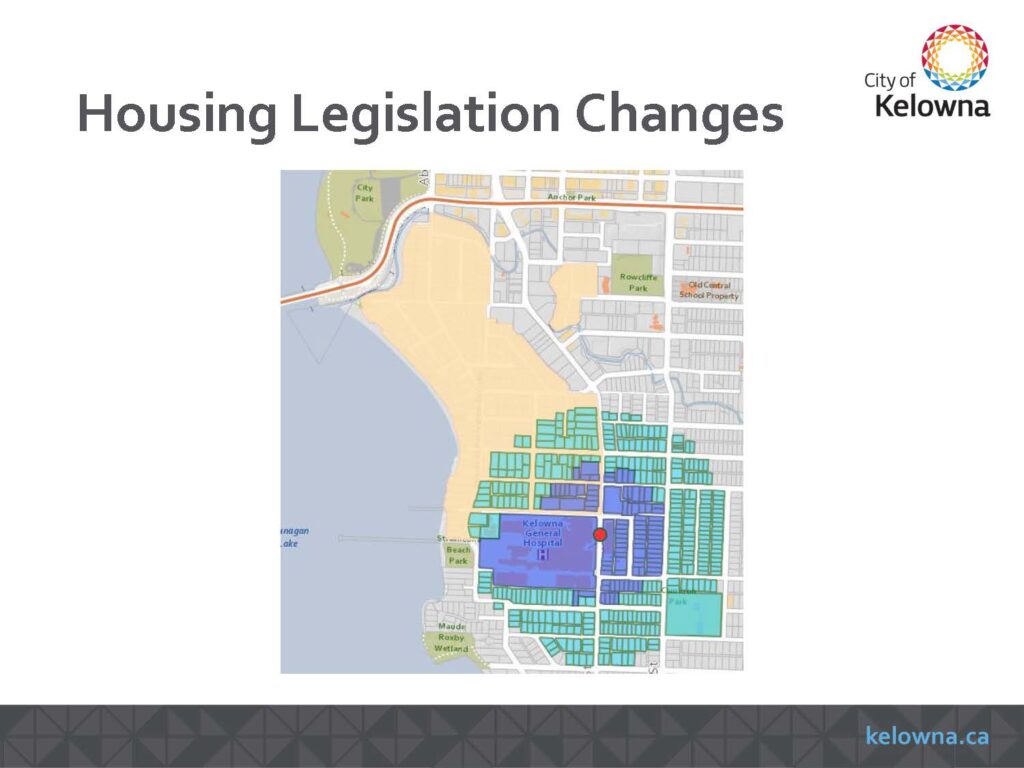
For months, residents of Kelowna’s Abbott Street Heritage Conservation Area have been told that six-storey development is unavoidable because of the Province’s Transit-Oriented Areas (TOA) legislation.
But recent correspondence from two Provincial Ministers tells a different story.
When deliberating on new projects, consideration should be given to the architectural style of the existing buildings. New developments should harmonize with the unique features of heritage homes while providing modern amenities.
In letters sent in November and December 2025, the Province confirmed that municipalities retain significant authority to protect heritage areas and heritage buildings, even within Transit-Oriented Areas.
Minister of Housing and Municipal Affairs Christine Boyle wrote:
“Under the TOA legislative framework, municipalities retain the ability to protect heritage buildings and make decisions about how sites with heritage features are developed.”
She further stated:
“The TOA designation does not override the existing development guidelines for the Abbott Street Heritage Conservation Area.”
Opportunities for public forums where residents can voice their opinions on heritage conservation are vital. Engaging in dialogue with city officials ensures that the community’s needs are represented. Moreover, such forums can foster a collective commitment to preserving the essence of Kelowna.
“The TOA designation does not override the existing development guidelines for the Abbott Street Heritage Conservation Area.”
The connections between heritage and urban development are complex. As the city grows, balancing the need for more housing with the necessity of preserving historical sites will require innovative thinking and collaborative approaches from both residents and officials.
And perhaps most importantly:
“Municipalities can also identify heritage sites as excluded from the minimum allowable density framework when they are developing and adopting their TOA designation bylaws.”
Minister Boyle went on to explain that municipalities may reject rezonings for reasons beyond density requirements:
“Municipalities can also turn down rezonings in TOAs for reasons other than density, such as the preservation of heritage buildings or features.”
A second letter from Transportation Minister Mike Farnworth reinforced the same message.
Kelowna’s heritage is not merely a relic of the past; it is a living part of the community’s present. Each preservation effort contributes to a vibrant urban tapestry that tells the story of its residents. By advocating for heritage preservation, Kelowna can demonstrate that growth does not have to come at the expense of its history.
Minister Farnworth wrote:
“It is important to note that th TOA designation does not override the existing evelopment guidelines for the Abbott Street Heritage Conservation Area.”
He further confirmed:
“Municipal heritage conservation protections remain in effect.”
These statements are significant.
The Province is clearly saying that Transit-Oriented Area legislation was never intended to eliminate municipal heritage protections. In fact, local governments retain tools to protect heritage buildings, heritage features, and heritage districts.
This aligns with the original purpose of Kelowna’s Heritage Conservation Area.
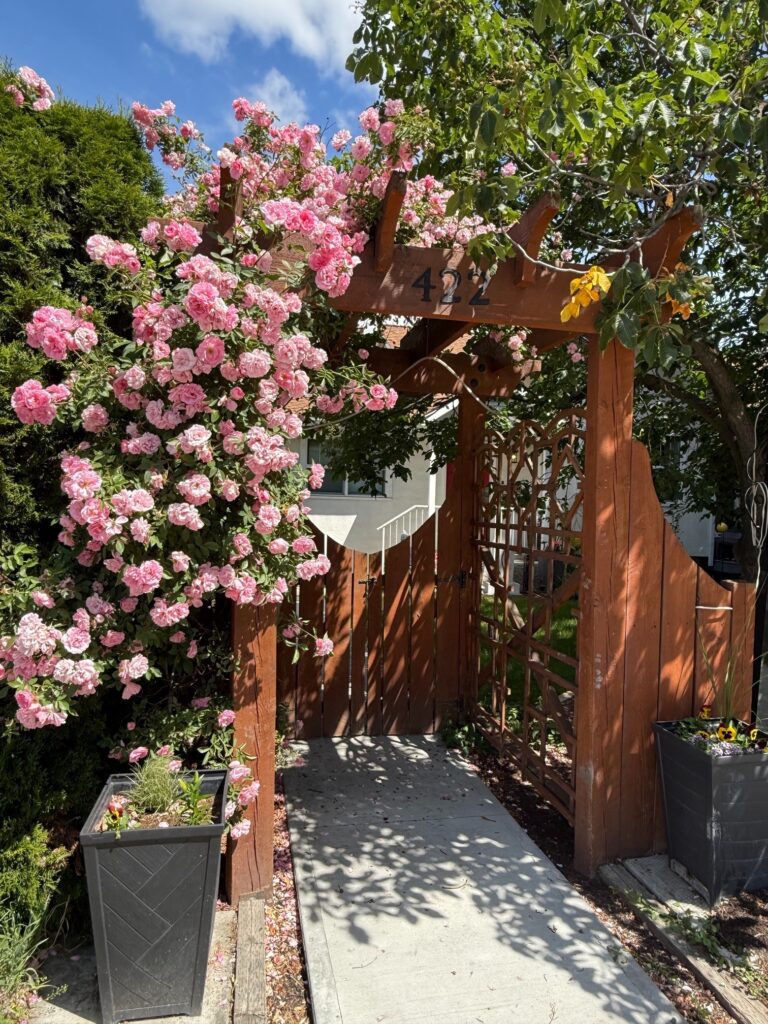
The City’s own heritage planning documents describe the area as:
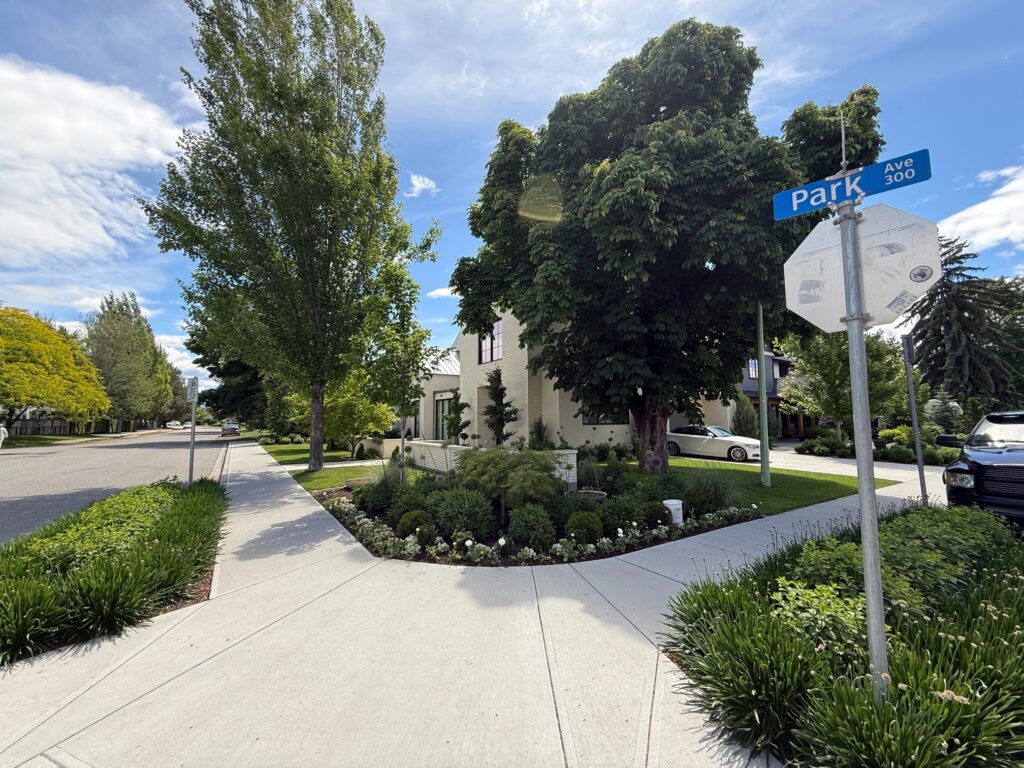
“well-landscaped, with mature trees, the regular use of hedges and fences along the sidewalks, expansive lawns, and decorative plantings.”
As discussions continue, it is imperative for residents to remain engaged. Whether through social media campaigns, community meetings, or educational workshops, the voice of the community is crucial in shaping policies that protect heritage. This is a collective responsibility that requires active participation.
Ultimately, the commitment to heritage preservation is intertwined with the future of the community. It ensures that future generations inherit not just housing options but a sense of belonging, identity, and continuity with the past.
In conclusion, the path forward for Kelowna involves a clear understanding of the power that residents hold in advocating for their heritage. It is essential that citizens remain vigilant and proactive in preserving the character of their neighborhoods, ensuring that Kelowna’s legacy is honored.
Significantly, the issues discussed reflect a broader trend across urban centers in Canada. Many cities face similar challenges with development and heritage conservation. Learning from each other can strengthen the case for preserving our shared history. Together, communities can advocate for policies that respect and enhance heritage values.
The Heritage Conservation Area was established to:
“Protect and retain existing residences of heritage value in their context and character.”
And the original South Central Neighbourhood Plan stated:
“The retention of existing single family zoning is supported throughout the area.”
No one disputes the need for more housing in Kelowna. Residents of the Heritage Conservation Area have consistently said they support thoughtful growth and increased housing options throughout the city.
The question is whether one of Kelowna’s most historic and distinctive neighbourhoods should be required to sacrifice the very character it was created to protect when the Province itself has confirmed that municipalities retain the authority to preserve heritage areas.
The Province has spoken clearly.
(letters can be found in our resources section)
Help by adding your voice – sign our petition! It only takes a minute (and no donation requred).