
As cities grow and evolve, it can be easy to focus on what is new and overlook what already exists. Heritage communities serve as living connections to our past, providing character, identity, and a sense of place that modern developments often struggle to replicate. Preserving these neighbourhoods is not about preventing change—it is about ensuring that growth respects the history and qualities that make a community unique.
Here are ten reasons why preserving heritage communities matters.
1. They Tell Our Story
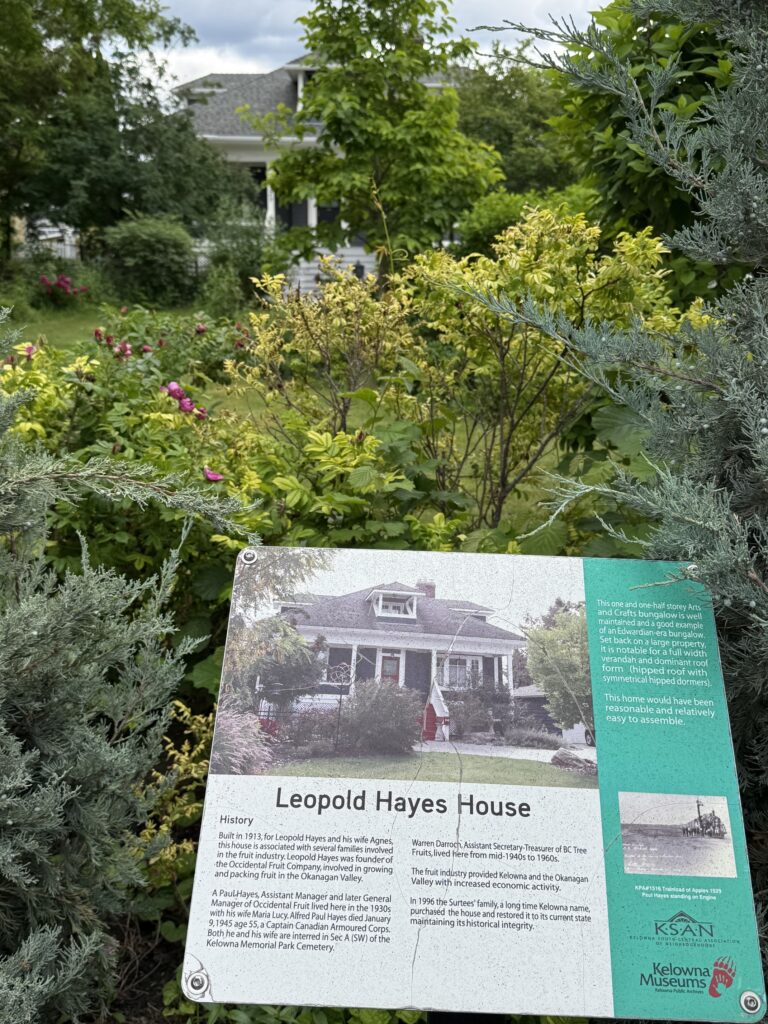
Historic neighbourhoods are tangible reminders of how a community developed over time. Their buildings, streetscapes, and landscapes reflect the people, events, and traditions that shaped the city we know today.
2. They Create a Unique Sense of Place
Heritage communities stand out because they are distinctive. Mature trees, historic architecture, walkable streets, and established character create neighbourhoods that feel authentic and memorable.
3. They Strengthen Community Identity
People often develop a strong connection to places with history and character. Preserving heritage neighbourhoods helps maintain a shared sense of identity and belonging for residents and future generations.
4. They Support Local Tourism
Visitors are often drawn to historic districts because they offer something different from newer developments. Heritage areas contribute to a city’s cultural appeal and help attract tourism and economic activity.
5. They Protect Architectural Diversity
Historic homes and buildings showcase architectural styles and craftsmanship that are difficult and expensive to recreate today. Preserving these structures helps maintain visual diversity and cultural richness within a city.
6. They Preserve Mature Trees and Green Space
Many heritage neighbourhoods were developed before modern urban design standards and feature large lots, mature trees, and extensive green space. These natural assets provide shade, improve air quality, support wildlife, and enhance quality of life.
7. They Promote Walkable, Livable Communities
Heritage areas are often designed around human-scale streets, sidewalks, and neighbourhood connections. These features encourage walking, cycling, and social interaction, contributing to healthier and more vibrant communities.
8. Demolition Creates Permanent Loss
Once a historic streetscape, mature tree canopy, or heritage home is removed, it is gone forever. New construction can replace buildings, but it cannot recreate the history, character, and sense of place that took generations to develop.
9. Heritage Conservation Supports Sustainable Development
Reusing and maintaining existing buildings can reduce construction waste and the environmental impacts associated with demolition and rebuilding. Conservation is often one of the most sustainable forms of development.
10. Future Generations Deserve to Experience Their History
We are temporary stewards of the communities we inherit. Protecting heritage neighbourhoods ensures that future generations can experience and learn from the places that helped shape their city rather than only reading about them in books and archives.
Looking Ahead
Growth and heritage preservation do not have to be opposing goals. Communities can accommodate new housing and development while still protecting the neighbourhoods that define their identity. Thoughtful planning can ensure that progress respects the past and preserves the qualities that make a city special. However, recent Transit-Oriented Area (TOA) policies have created new challenges for heritage conservation efforts within Kelowna’s Heritage Conservation Area. While the Province introduced TOA legislation to encourage housing growth near transit corridors, it also recognized the importance of protecting historic neighbourhoods by allowing municipalities to exempt designated Heritage Conservation Areas from certain development requirements. Many residents and heritage advocates believe Kelowna should fully utilize these provisions to ensure that future growth respects the area’s historic character, mature tree canopy, and unique sense of place. Thoughtful planning can accommodate new housing while still preserving the qualities that make heritage neighbourhoods worth protecting.
Heritage communities are more than old buildings. They are living neighbourhoods, cultural assets, and irreplaceable parts of our shared history. Once lost, they cannot be rebuilt. That is why preserving them matters—not just for today, but for generations to come.
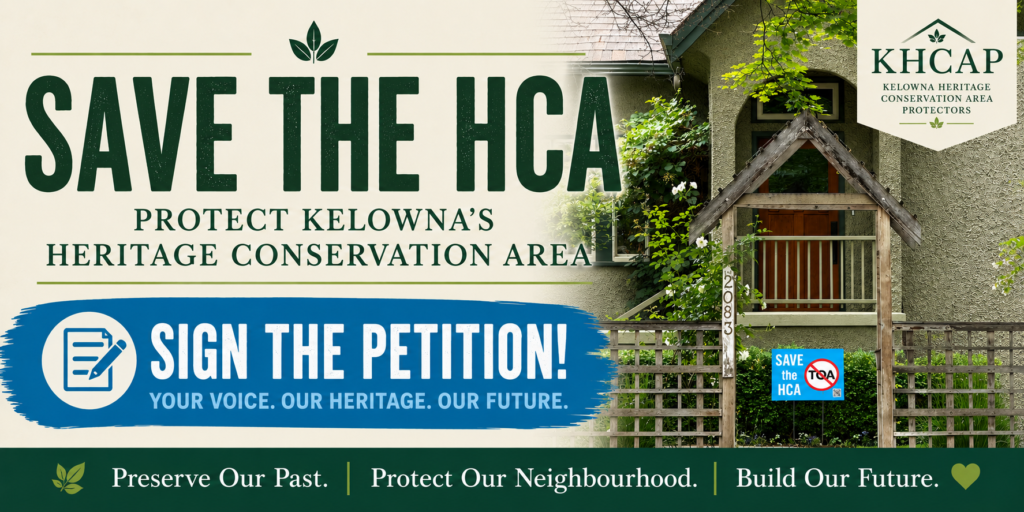
Call to action: Sign our petition.
It will take less than a minute: please sign our online petition (no donation required – simply sign and you’re done!).